

Blog
How to Choose the Perfect Motorcycle Exhaust for Your Bike

Apr
Chapter 1: Introduction to Motorcycle Exhausts
Understanding Exhaust Systems
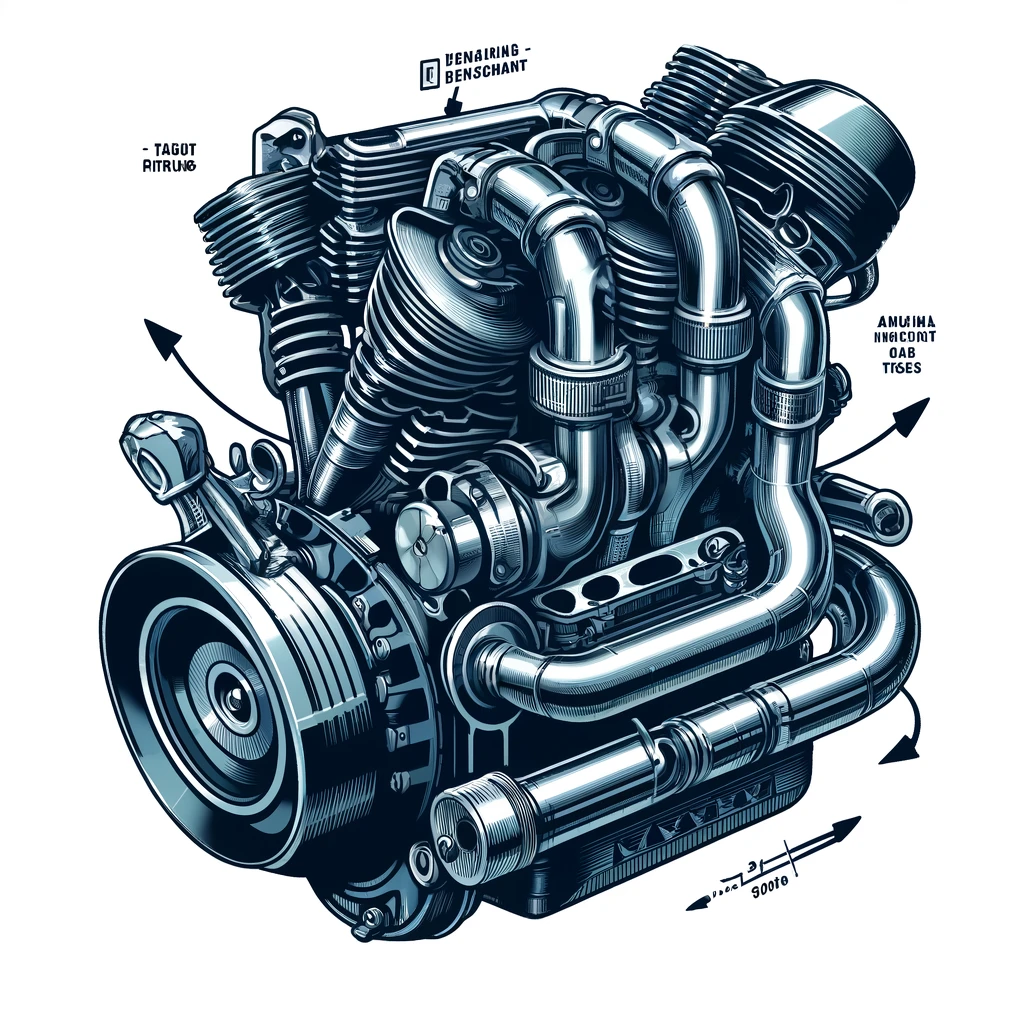
The exhaust system on a motorcycle is more than just a pipe and a muffler. It is a crucial component that influences both the performance and the personality of your bike. The primary function of an exhaust system is to channel the gases and sound away from the engine, helping to keep it running smoothly and efficiently. However, the design and materials of the exhaust system can greatly affect how your bike feels and sounds on the road.
Importance of the Right Exhaust
Choosing the right exhaust is essential for any motorcycle enthusiast looking to enhance their ride. An appropriate exhaust system can lead to improvements in horsepower, torque, and overall engine efficiency. Furthermore, the acoustic profile of your motorcycle can be dramatically transformed by changing the exhaust, allowing you to customize the sound to match your riding style and preference.
Understanding the basics of how motorcycle exhausts work and their impact on your bike’s performance and aesthetics is the first step in selecting the perfect system for your needs. This knowledge will empower you to make informed decisions, ensuring you enjoy both the ride and the result of your modifications.


Chapter 5: Compatibility with Your Motorcycle
Matching Exhausts with Different Bike Models
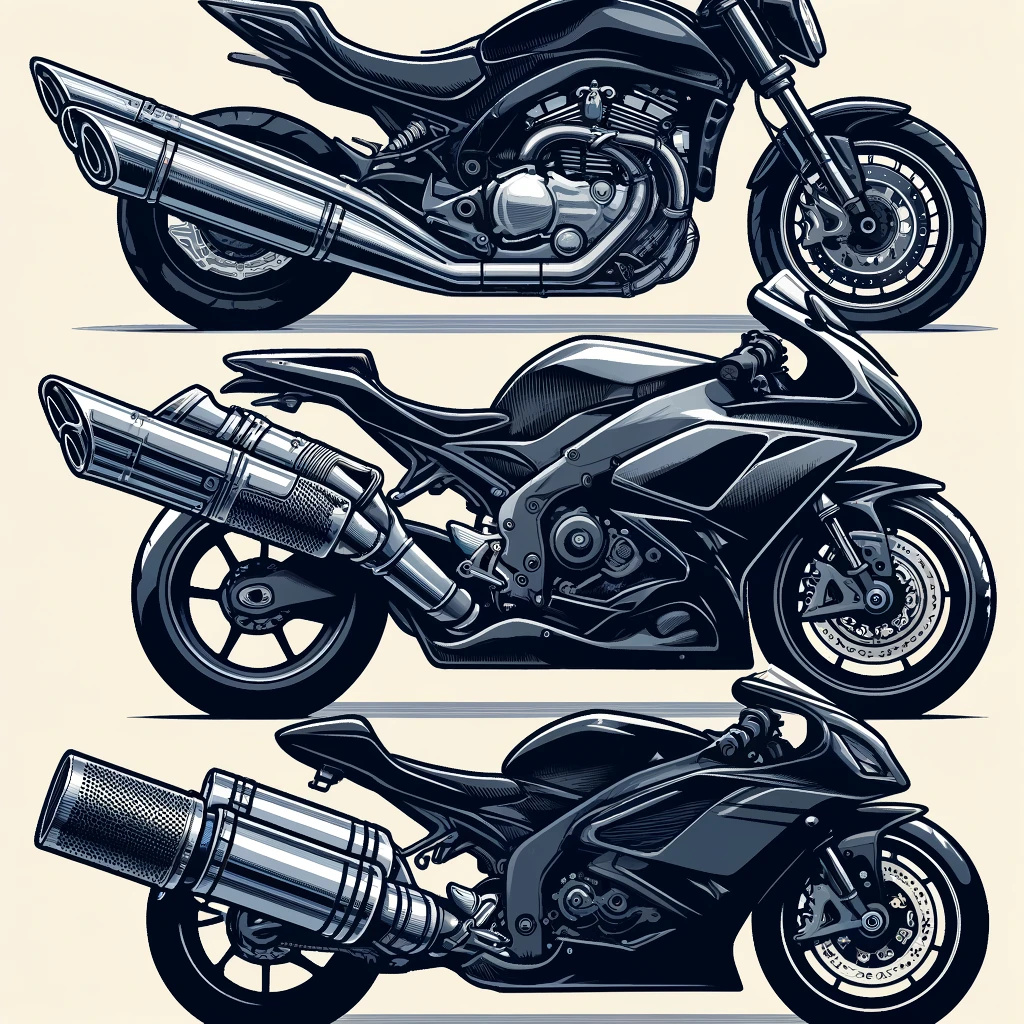
Choosing an exhaust system that is compatible with your motorcycle is crucial for ensuring optimal performance and avoiding mechanical issues. Not all exhausts fit all models, so it’s important to consider the specific requirements and constraints of your motorcycle:
- Model-Specific Designs: Many exhaust systems are designed to fit specific motorcycle models. These are engineered to match the exact specifications and mounting points of particular bikes, ensuring a seamless fit.
- Universal Systems: Some exhausts are marketed as universal, meaning they can be adapted to fit a range of models. While universal systems provide flexibility and are often more economical, they may require additional modifications or adapters to ensure a proper fit.
Considerations for Custom and Vintage Bikes
Owners of custom or vintage motorcycles face unique challenges when selecting an exhaust system. Custom bikes may have non-standard configurations that require bespoke exhaust solutions, while vintage motorcycles might need retrofits that preserve their classic look and feel:
- Custom Fabrication: For highly customized bikes, off-the-shelf exhausts may not suffice. In such cases, custom-fabricated exhausts are made to measure, designed to accommodate the specific modifications and styling of the bike.
- Retrofitting Vintage Models: Vintage bike owners often seek to maintain the original aesthetics and performance characteristics of their motorcycles. Finding a period-appropriate exhaust or adapting a modern system without compromising the bike’s historical integrity can be essential.
Ensuring Proper Installation
The compatibility of an exhaust system with your motorcycle extends beyond physical fit:
- Impact on Performance: An improperly matched exhaust can negatively affect the bike’s performance. It’s important to ensure that the new system complements the engine’s characteristics and doesn’t lead to issues like reduced power output or increased fuel consumption.
- Installation Checkpoints: When installing a new exhaust, it is important to check for any potential issues such as leaks, poor alignment, or interference with other components. Professional installation can help prevent these problems and ensure that your exhaust is set up correctly.
In summary, the right exhaust not only fits your motorcycle physically but also matches its style and enhances its performance. This chapter guides you through choosing an exhaust system that aligns with your bike’s specific needs, whether it’s a modern sportbike, a custom build, or a treasured vintage model.
Chapter 7: Installation Guide
DIY vs. Professional Installation
Installing a new exhaust on your motorcycle can be a rewarding DIY project or it might require professional expertise, depending on the complexity of the system and your mechanical skills.
- DIY Installation: Many riders choose to install slip-on exhausts themselves because these typically require fewer modifications to the bike and can be done with basic tools. This not only saves on labor costs but also provides a great learning experience. However, it’s crucial to follow the manufacturer’s instructions closely to avoid any damage or improper installation.
- Professional Installation: Full system exhausts often need more extensive modifications, such as changes to the fuel mapping or even the physical structure of the bike, to accommodate the new system. In such cases, it’s advisable to seek professional help. Professionals can ensure that the installation is done correctly and the bike’s performance is optimized through proper tuning.
Tools and Tips for Installing Your Exhaust
The right tools and some practical tips can make the installation process smoother and safer:
- Essential Tools: Basic tools required for installing an exhaust might include a set of sockets, wrenches, screwdrivers, and possibly a motorcycle lift or stand to give you better access to the bike’s underside.
- Installation Tips:
- Read the Manual: Always start by reading the installation manual thoroughly. Each model might have specific requirements or steps that are crucial for proper installation.
- Use New Gaskets: To prevent exhaust leaks, replace the old gaskets with new ones during the installation process.
- Tighten Gradually: When fitting the new exhaust, tighten all bolts and clamps gradually in a crisscross pattern to ensure even pressure and prevent warping.
Legal and Warranty Considerations
Installing a new exhaust system can also have legal and warranty implications:
- Emission Regulations: Ensure that the new exhaust complies with local emission standards. Non-compliance can lead to fines and other legal issues, especially in regions with strict environmental regulations.
- Warranty Issues: Some manufacturers may void the warranty if an aftermarket exhaust system is installed. It’s important to check your motorcycle’s warranty terms before proceeding with an installation that might affect its coverage.
Conclusion
Proper installation is crucial for the performance and longevity of your new exhaust system. Whether you choose to install it yourself or hire a professional, understanding the process, tools, and legal considerations can help ensure that your motorcycle runs smoothly and remains compliant with all regulations. This chapter provides the foundational knowledge needed to approach the installation with confidence.
Chapter 9: Maintenance and Care
Routine Maintenance for Longevity
Regular maintenance is crucial to ensure the longevity and optimal performance of your motorcycle exhaust system. Proper care can prevent premature wear and ensure that your exhaust continues to perform at its best:
- Regular Cleaning: Keep the exhaust system clean from dirt, grime, and road salts, which can cause corrosion. Use a proper cleaning solution that is safe for the type of material your exhaust is made from, whether it’s stainless steel, titanium, or carbon fiber.
- Check for Rust and Corrosion: Regularly inspect your exhaust for signs of rust or corrosion, especially if you live in a humid climate or use your bike in salty conditions. Early detection and treatment can prevent further damage.
- Tighten Fittings and Mounts: Vibration from regular use can loosen fittings and mounts. Check these components periodically and tighten them as necessary to ensure everything is securely attached and functioning properly.
Troubleshooting Common Issues
Even with proper maintenance, you might encounter some common issues with your motorcycle exhaust. Here are some tips for identifying and resolving these problems:
- Exhaust Leaks: Look for signs of soot around the exhaust connections, which can indicate a leak. This often occurs at joints and can be fixed by replacing faulty gaskets and ensuring all connections are tight.
- Strange Noises: If you notice a change in the exhaust sound, it might be due to a hole or crack in the system. Inspecting the exhaust visually and audibly can help pinpoint any irregularities that need repair.
- Decreased Performance: If your bike seems to be underperforming, the exhaust system might be clogged or damaged. Check for blockages or any deformities that could be restricting the flow of gases.
Preventive Measures
Taking preventive measures can significantly extend the life of your exhaust system and avoid costly repairs:
- Use High-Quality Parts: When replacing parts of your exhaust system, choose high-quality components that match the original specifications. This ensures better performance and compatibility.
- Professional Checks: Have your exhaust system checked by a professional during regular service appointments. They can spot potential issues that you might miss and perform necessary adjustments or repairs.
Conclusion
Maintaining your motorcycle’s exhaust system is key to ensuring it operates efficiently and lasts as long as possible. By performing regular maintenance, troubleshooting issues promptly, and taking preventive measures, you can protect your investment and enjoy a better riding experience. This chapter equips you with the knowledge needed to keep your exhaust in top condition, helping you avoid common pitfalls and enjoy the full potential of your bike’s performance.
Chapter 10: Conclusion and Buyer’s Checklist
Final Thoughts
Selecting the right motorcycle exhaust is crucial for enhancing both the performance and enjoyment of your riding experience. Throughout this guide, we have explored various aspects of motorcycle exhaust systems, from understanding different types, materials, and brands, to installation and maintenance. It’s important to balance your aesthetic preferences, performance needs, and legal considerations to find an exhaust system that fits perfectly with your motorcycle and riding style.
Buyer’s Checklist
To assist you in making an informed decision, here is a checklist to guide you through the purchase of a new motorcycle exhaust:
- Compatibility: Ensure the exhaust system is compatible with your motorcycle model. Check manufacturer specifications for compatibility or consider a custom solution for unique setups.
- Purpose: Define what you are looking to improve with a new exhaust—whether it’s performance, sound, weight reduction, or aesthetics—and choose accordingly.
- Material: Decide on the material based on your priorities for durability, weight, and maintenance (stainless steel, titanium, or carbon fiber).
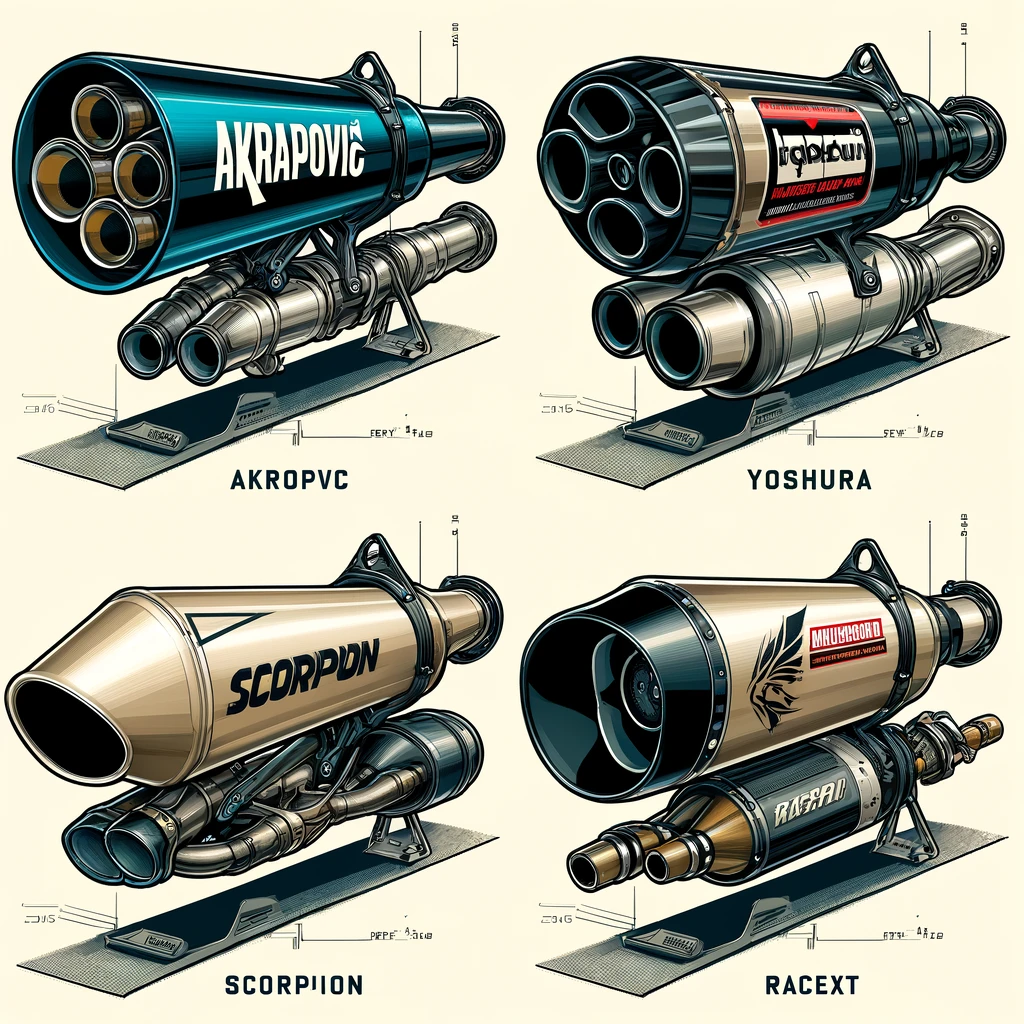
- Brand Reputation: Research and select a reputable brand that offers quality and reliability. Consider brands discussed in this guide like Akrapovič, Yoshimura, Scorpion, and yourmotoparts for their proven track records.
- Legal Compliance: Verify that the exhaust meets local noise and emission regulations to avoid legal issues and fines.
- Installation: Consider whether you will install the exhaust yourself or require professional installation. Account for any additional costs related to installation.
- Budget: Budget for the total cost, including the exhaust system, necessary installation tools, potential modifications, and professional services if needed.
- Warranty and Support: Check the warranty provided by the manufacturer and ensure they offer good customer support in case of issues.
- Reviews: Read reviews from other motorcycle owners who have installed the same exhaust. Look for feedback on performance, durability, and customer satisfaction.
- Environmental Impact: If sustainability is a concern for you, consider eco-friendly options that offer lower emissions and use recyclable materials.
Conclusion
Armed with the information from this guide and your checklist, you’re now ready to choose the best motorcycle exhaust that will not only meet your needs but also enhance your overall riding experience. Remember, the right exhaust will not just transform the look and sound of your bike but also its performance and handling on the road. Make your choice wisely and ride safely!
Disclaimer
Shipping and Delivery Information
We recognize your eagerness and anticipation with every purchase. Therefore, we have implemented a comprehensive shipping and delivery policy to keep you thoroughly informed from the moment you complete your order until it is safely delivered to your address. This policy is designed to align with and surpass merchant standards, ensuring you receive both transparency and detailed expectations for the receipt of your products.
Order Processing:
- Initial Confirmation: After placing your order, an immediate email confirmation will be sent to you. This confirmation will include a unique order number that you should keep for any future inquiries.
- Packing Period: Our warehouse team is committed to handling your items with utmost care. We ask for 2 working days to meticulously pack your products. This duration allows us to secure your items adequately, ensuring they are well labeled and ready for dispatch while minimizing any risk of damage during transportation. Before packaging, each item undergoes a rigorous quality check to meet our high standards.
Shipping:
- Carrier Handoff: Following the packing period, your package is transferred to our reliable shipping carrier, initiating the shipping phase.
- Shipping Time Frame:Please allow 0-3 business days for us to process your order. Once your order has been processed, you will receive a confirmation email with tracking information.
Estimated Delivery Time
Handling Time: 0-3 Days (Mon – Fri)
Transit Time: 3-6 Days (Mon – Fri)
Order Cut-off Time: 22:00 (GMT+01:00) Central European Standard Time (Amsterdam)
Shipping Cost
Shipping is free of charge.
- Tracking and Updates: Once dispatched, a tracking number will be provided via email, allowing you to track your package’s journey in real-time. Additionally, we maintain regular communication with our shipping carriers to keep you updated through emails or SMS about any changes or progress in the delivery process.
Delivery:
- Final Mile: The “final mile” refers to the last leg of your package’s route. At this stage, local postal services or dedicated last-mile delivery agents take charge, ensuring your package reaches its destination efficiently and safely.
- Receiving Your Package: At delivery, you may need to sign for your package based on the carrier’s policy and the type of goods. If you cannot be present, the carrier will leave a notice detailing steps to schedule a redelivery or pick up from a local depot or post office.
- Customer Support: Our customer service team is available to help with any inquiries or issues regarding your delivery. We are dedicated to providing a seamless and enjoyable shopping experience from the point of purchase to the excitement of unboxing your order.
We are committed to maintaining transparency and ongoing communication throughout the shipping and delivery processes. Our aim is to ensure a smooth and trouble-free experience, keeping you well-informed and satisfied from the start to the unboxing of your items.
LEGAL DISCLAIMER: PRODUCTS INTENDED EXCLUSIVELY FOR SPORTING AND COMPETITIVE USE
Important: Before proceeding with the purchase or use of our sport exhausts, please read the following notice carefully.
The products available on this website are specifically designed for sporting and competitive purposes only. They are crafted for use in controlled environments like race tracks or designated sporting areas, where emission and noise standards may be less restrictive compared to public roads.
Public Road Use Not Allowed: Please note that installing and operating these devices on vehicles meant for public road use may violate laws pertaining to emission and noise control in your country of residence, as they are intended solely for competitive settings.
Buyer’s Responsibility: It is the buyer’s duty to ensure that any products purchased are used in compliance with all relevant laws and regulations. The buyer assumes all legal responsibility for any unlawful use of these products, including their installation and operation on vehicles not authorized for such enhancements, or in manners that breach legal standards.
By making a purchase, the buyer acknowledges and accepts that the use of these products is confined to sporting and competitive scenarios as outlined, and accepts full liability for any legal repercussions that may ensue from improper usage.
How to Choose the Perfect Motorcycle Exhaust for Your Bike
Compatibility:
It is the customer’s responsibility to ensure that the product is compatible with their vehicle. We strongly advise consulting a professional mechanic before making a purchase to confirm that the product fits your needs. BOATxt cannot be held accountable for compatibility issues or any resultant damages or injuries.
Warranty:
All products are backed by a 2-year warranty, aligning with international quality standards. Should any issues arise during the warranty period, please contact us for support. This warranty does not cover damage from incorrect installation, misuse, or external factors like accidents or environmental calamities.
Return Policy
Customer Responsibilities
Customers are required to follow these steps for returns and refunds:
- Notify our customer service team within 14 days of receiving the product.
- Ensure that the product is in its original condition, intact and with all the original packaging.
- Include the original receipt or proof of purchase.
Return Period
We accept returns within 14 days from the delivery date.
Overview
the customer will be refunded 2 days after receiving the goods Our refund and return policy lasts 14 days. If 14 days have passed since your purchase, we cannot offer you a full refund or exchange. To be eligible for a return, your item must be unused and in the same condition that you received it. It must also be in the original packaging
Refunds
Once your return is received and inspected, we will send you an email to notify you that we have received your returned item. We will also notify you of the approval or rejection of your refund. If you are approved, then your refund will be processed, and a credit will automatically be applied to your credit card or original method of payment within 2 days.
Late or missing refunds
If you haven’t received a refund yet, first check your bank account again. Then contact your credit card company, it may take some time before your refund is officially posted. Then contact your bank. There is often some processing time before a refund is posted. If you’ve done all this and you still have not received your refund yet, please contact us at info@boatxt.com
Exchanges
We only replace items if they are defective or damaged. If you need to exchange it for the same item, send us an email at info@boatxt.com and send your item to the address we will provide via email
Shipping and Returns
To return your product, you should mail your product to the address provided via email You will be responsible for paying for your own shipping costs for returning your item. Shipping costs are non-refundable. If you receive a refund, the cost of return shipping will be deducted from your refund. Depending on where you live, the time it may take for your exchanged product to reach you, may vary. If you are shipping an item over, you should consider using a trackable shipping service or purchasing shipping insurance. We don’t guarantee that we will receive your returned item. Need help? Contact us at info@boatxt.com for questions related to refunds and returns. Follow the steps below to return your order:
- “Submit a request” via email to info@yourmotoparts.com
- Select Return as the subject and provide a reason for the return: send an email
- You will immediately receive a response with the instructions for making the return
- Follow the instructions to create the return label Address:
- the customer will be refunded 2 days after receiving the goods
We thank you for your patience and understanding.
We are committed to ensuring complete satisfaction of our customers. If you are not completely satisfied with your purchase made on our site, you have the right to return the goods or all products purchased directly from our site within 14 days of receipt. To be eligible for a return, items must be returned in their original packaging, with labels and protective seals intact and in the same condition as they were received. Products purchased directly from our website must be returned to our warehouse to receive a full refund;
Payment Refund Times
Following the receipt of the returned items, we will process your refund within 2 working days. The refund will be issued to the original payment method used, excluding any costs related to return shipping.
We appreciate your patience and understanding.
Terms and Conditions
This website only provides products with clearly specified codes and specifications. Depend on a qualified workshop for the installation and selection of the product. We are not liable for any errors in selection, installation, or programming of the devices.
*The price is stated per single product
*Days refer to business days only
All guides provided on this website are for illustrative purposes. For certain products, the use of specialized tools may be necessary. We always recommend consulting with a professional repair center for advice on the selection and installation or programming of products purchased. We assume no responsibility for any damage to property or injury to persons, or user mistakes following a guide on this website or any other related incidents.
Products are not original but are fully compatible with the original models
All rights reserved. All trade names and logos are trademarks registered by the respective manufacturers indicated
The trademarks listed on this site are the sole property of the automotive companies and are used here solely to aid our customers in identifying compatible vehicles. We accept no liability for any damages to property or injuries to individuals, or user mistakes following a guide on this website or any other related incidents.
Secure Payments
You can trust that your online transactions are secure when purchasing through our site. All payments are processed through the certified servers of PayPal or Stripe, allowing us to accept various credit cards including VISA, VISA ELECTRON, MAESTRO, POSTEPAY, AMERICAN EXPRESS, AURA, and DISCOVER.
Quality Guarantee
Opt for safety, savings, and professionalism by choosing us. We provide exceptional customer support throughout your pre- and post-purchase process. Our products are of the highest quality and are designed to offer both smart savings and security. Avoid dealing with inexperienced sellers.